Dress codes exist so that everyone at an event looks like they belong together. They can be confusing, especially when the terms overlap, and every host seems to interpret "smart casual" differently. Here is a clear breakdown of every common men's dress code, from most formal to least.
White tie
The most formal dress code there is, now mostly seen at state dinners, some grand balls and a few very traditional events.
- Black tailcoat (cut short at the front, with tails at the back)
- Matching trousers with two stripes of braid down the side
- White piqué waistcoat and white piqué bow tie
- White wing-collar shirt with a stiff front and studs
- Black patent leather shoes or opera pumps, black silk socks
Black tie
The classic evening formal dress code, for galas, formal weddings, award dinners and opera nights.
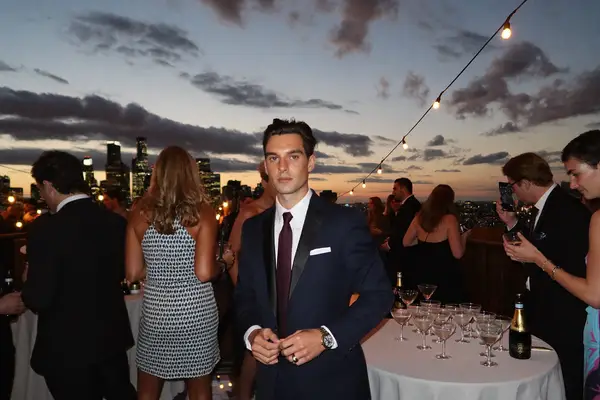
- Tuxedo / dinner suit: black or midnight navy, with satin or grosgrain-faced lapels (peak or shawl)
- White dress shirt, ideally with a turndown collar and pleated or piqué front
- Black silk bow tie, and a real self-tie one if you can manage it
- Cummerbund or waistcoat (optional today), or simply a jacket kept buttoned
- Black patent or highly polished plain oxfords; black over-the-calf socks
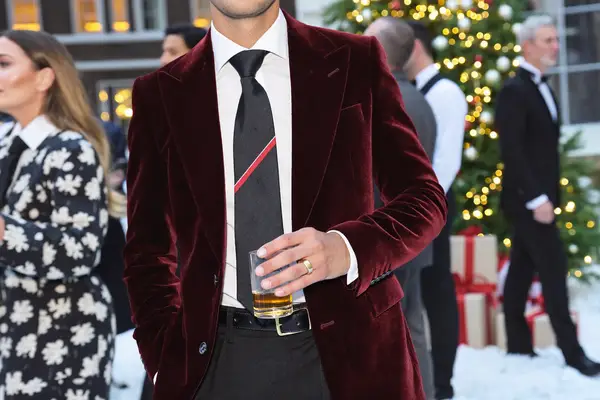
Black tie optional means a tuxedo is welcome but a dark suit (navy or charcoal) with a conservative tie is acceptable. Creative black tie allows some personality: a velvet dinner jacket, a coloured bow tie or patterned slippers.
Formal / cocktail attire
A step below black tie, and the most common dress code for evening parties and weddings.
- A dark suit (navy, charcoal, or black for evening)
- Dress shirt in white or light blue
- A tie, where you can show a bit more personality than at black tie
- Leather dress shoes: oxfords, derbies or elegant loafers
Business formal (business professional)
Traditional corporate dress: law firms, banks, important meetings, interviews in conservative industries.
- Navy or charcoal suit, possibly with subtle pinstripes
- White or light blue dress shirt
- Conservative silk tie
- Black or dark brown oxfords, dark socks, matching belt
Business casual
The most common office dress code today, and the one with the most variation. The core idea: tailored, but no suit required, and usually no tie.
| Yes | Maybe (depends on office) | No |
|---|---|---|
| Blazers, sport coats | Dark, clean jeans | Hoodies, athletic wear |
| Chinos, wool trousers | Knit polo shirts | Shorts |
| Oxford shirts, dress shirts | Minimal leather sneakers | Graphic t-shirts |
| Merino and cashmere knitwear | Overshirts | Flip-flops, running shoes |
| Loafers, derbies, chelsea boots | Suede boots | Ripped jeans |
If you work in a modern office, the sport-classic style is an excellent way to interpret business casual.
Smart casual
Smart casual is relaxed but polished. Think dinner at a nice restaurant, a first date, or a party at a friend's house. A blazer is optional but a good idea, jeans are usually fine if they're dark and clean, and sneakers are acceptable if they're minimal leather. Our smart casual guide covers it in detail.
Casual
Casual doesn't mean anything goes, at least not at an event. Even for a "casual" party, choose clean, well-fitting clothes: a good t-shirt, polo or casual shirt, jeans or chinos, and clean sneakers or boots. Skip gym wear and anything with holes unless it's a barbecue at your best friend's house.
Themed and festive dress codes
- "Festive attire" (holiday parties): cocktail or smart casual with a seasonal twist, such as a velvet jacket, a Christmas-coloured tie or a patterned sweater. See our holiday party outfit guide.
- "Garden party" / "Summer formal": light suits, linen, pastel ties, loafers.
- "Lounge suit" (common in the UK): business suit and tie. It's more formal than it sounds.
Ask the host. It isn't rude, and they'll appreciate that you care. If you can't ask, aim slightly more formal than you think is needed, since removing a tie is easy.
Frequently Asked Questions
What is the difference between black tie and formal?
Black tie specifically means a tuxedo and bow tie. Formal or cocktail attire usually means a dark suit and tie.
Are jeans acceptable for smart casual?
Usually yes, if they are dark, clean, well-fitting and without rips, and worn with a smart shirt or knitwear and good shoes.
What does "lounge suit" mean on an invitation?
It is a British term for a business suit, normally worn with a tie. It is less formal than black tie but more formal than smart casual.

We write practical, tested menswear advice for real life and real budgets. Learn more about us or send us a question.